Hairise Provides Modular Belt, Slat Conveyor Chain And Automatic Conveyor System Solutions Since 2004.
Language
In today’s industrial setting, handling materials efficiently plays a crucial role. Materials are conveyed across logistic centers, warehouses, and production lines via chain conveyors. These conveyors use an interconnected network of chains to move materials over both short and vast lengths.
Chain conveyor systems are used in manufacturing, logistics, food processing, and automotive industries because they support heavy load capacity and compatibility across many applications. Their heavy-duty construction, together with compatibility across many application areas, makes them an efficient option across sectors that require a continuous flow of materials. In this paper, the principle, components, types, advantages, and application relevance of chain conveyors in today's industries will be presented.
A chain conveyor is one type of conveyor system that moves materials over a predetermined path through a system of continuous chains. Compared to belt conveyors, which use a rubber belt, chain conveyors use interconnected metal chains over sprockets that pull materials from one place to another. These are, thus, best suited for heavy materials, abrasive materials, and complex industrial processes.
Chain conveyors are used across many sectors owing to the capacity to move various materials effectively:
● Bulk commodities, including minerals, coal, and grains
● Heavy duty industrial goods including car components
● Fragile items under a managed environment like packaging lines
● High temperature or chemically reactive materials where rubber belts are not suitable
They also provide automation, which firms can implement in line productions to ensure a seamless flow and less need for human labor.
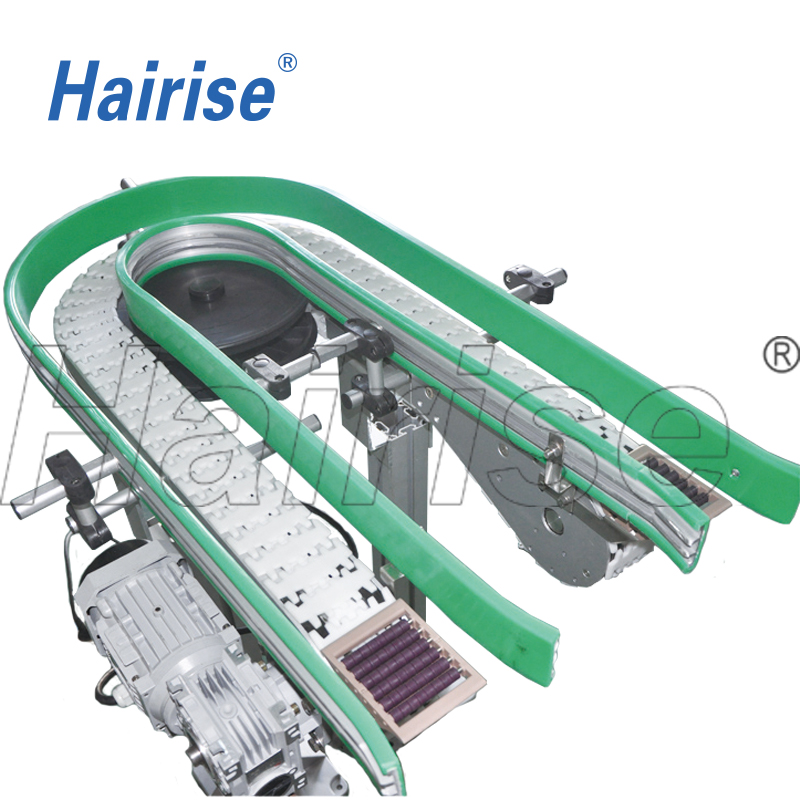
The basic operation of a chain conveyor entails continuous flow over sprockets by a chain, conveying power from an electric motor to the conveyor system so that it propels the load. Below are the basic elements describing how a chain conveyor belt functions:
The core components of a chain conveyor system are the chain, the sprockets, and the guide system. The plastic or metal chain acts as the moving unit transporting the materials over the conveying course. Sprockets, toothed wheels, support the chain by grasping the linkages to generate the propulsion.
Sprockets are found at driving and tensioning positions for continuous operation. Guides or rails are installed so that the chain slides over the targeted course smoothly, eliminating friction as well as deviation. These components, together, provide an efficient base for conveying goods smoothly.
The movement of the conveyor chain takes place when the chain makes contact with the driving sprocket, rotating due to power from the motor. The rotating sprocket pulls the chain over the predetermined path, carrying any attached load. According to construction, the load can ride over the chain directly, over pallets, or by hooks.
Gravity, tensioners, or guide rails support maintaining the chain alignment and preventing derailing. The guided motion of the chain conveyor systems assures a steady, consistent transfer of materials, ideal for horizontal and inclined conveyance.
The power transfer for chain conveyors usually originates from an electric motor attached to the driving sprocket. Motor power is transmitted through a system of gears or direct drive, resulting in smooth, efficient transfer of the chain. Motor power and capacity depend on load weight, conveyor length, and operational speed.
Proper tensioning, as well as lubrication, of the chain, increases efficiency, reduces wear, and increases the lifetime of the system. Energy efficient drives and variable speed drives (VSDs) are typically installed to achieve maximum performance, reduce power utilization, and allow speed variation based on load requirements.
Different types of conveyors suit various industrial processes, while specialized conveyors are specifically engineered for particular material handling processes.
Drag chain conveyors are best suited to move bulk materials such as biomass, ash, coal, cement, and grain. Drag conveyors contain one or multiple endless chains that move through a trough, dragging the materials along. Drag conveyors are operated in closed systems, preventing leakage and dust, so are best suited for handling dangerous materials, as well as those handling fine materials.
● Agriculture – Exporting seeds, animal feed, and grains.
● Mining – Effectively managing coal, ores, and minerals.
● Power Plants - Shipping ash and biomass fuels for burning.
● Cement and construction – Moving aggregate, cement, and sand.
● Chemical Industry - Safe handling of powdery or crystalline chemicals.
Slat chain conveyors contain slats or slabs suspended from a chain, providing a secure platform to carry goods. They are also very versatile, conveying products down level, inclined, or arched routes. Slat conveyors are very durable and can carry heavy, irregularly shaped products.
● Packaging Industry—It is utilized for conveying boxes, cartons, and bottles in food packaging lines, packaging plants, and pharmaceuticals.
● Automobile Assembly Lines – Moving parts through various steps of assembling efficiently.
● Manufacturing – Shipping parts in electronics, consumer goods, and other sectors.
● Food Processing – Transfering packaged food products, trays, and jars across clean environments.
● Airport Baggage Handling - Specifically created for carrying checked bags in airport scenarios.
Overhead chain conveyors operate through an overground track system suspended below by way of the chain. They are best suited for conveying products that need to remain suspended, freeing floor space for other processes. Overhead conveyors are used in automated processes, including painting, welding, or curing processes.
● Automotive Industry - Shipping car frames, body parts, and car doors via several painting and assembling processes.
● Manufacturing Plants - Shipping heavy machinery parts and components for processing.
● Warehouses and distribution centers - Managing bulk products, furniture, and garments.
● Food and Beverage Sector – Transfer of carcasses across meat processing areas or suspended food products for packaging.
● Powder Coating and Paint Shops – Product transfer through painting stations and drying stations.
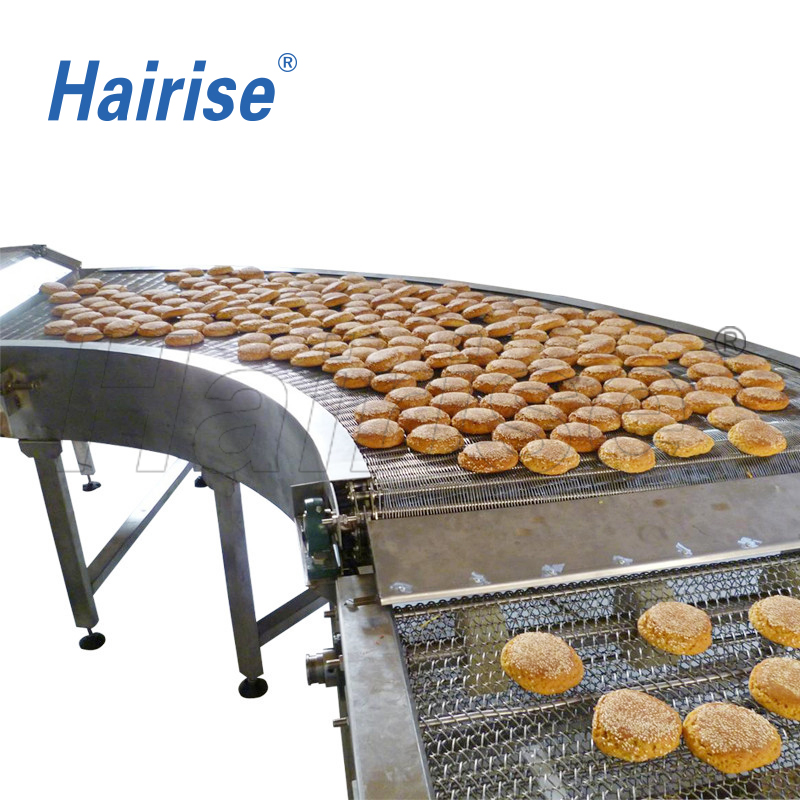
Chain conveyors have extensive applications across various sectors, such as heavy materials, bulk products, and mass production lines. Chain conveyor belt offer multiple benefits and have a pervasive application in different cases. These benefits are as follows:
● High Load-Carrying Capability: Specifically designed to carry heavy loads, making them best suited for industries like manufacturing, mining, and automotive manufacturing. They can smoothly carry bulk materials, pallets, heavy duty products, etc.
● Versatility for Specific Applications: Can also be specifically designed for individual industrial processes, variable speed, variable length, specialized attachments, etc. Because of this, it fits many processes across many industries.
● Durable and Long Lasting: Are produced by means of metal chains, which are less prone to wear and tear. These conveyors perform well under harsh environments, hot temperatures, abrasion, and chemical exposure. Their longer lifespan together with less maintenance cost makes them durable.
● Versatile Material Transfer: Can transfer many kinds of materials, from raw materials to final products, even liquids, under specialized scenarios. Bulk materials handling industries, including wood, coal, and cement, employ them.
● Suitable for Numerous Situations: These conveyors are appropriate for many situations where belt conveyors are not. Examples include hot temperatures, severe weather, and dusty, greasy, or wet areas.
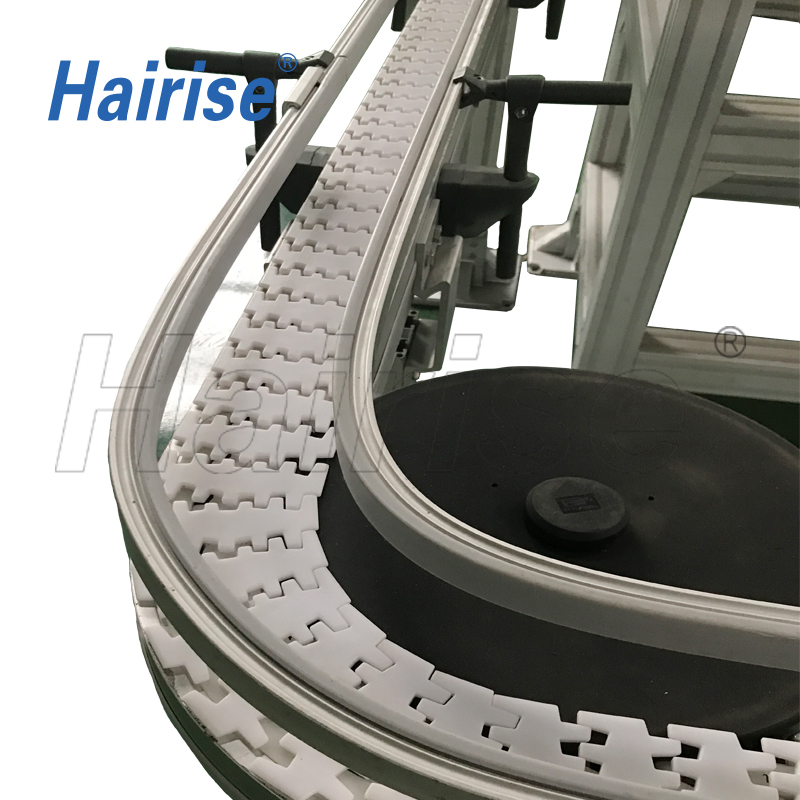
Chain conveyors are a must-have in any industry, providing efficient, durable, and versatile handling. These conveyors can move heavy materials, transfer bulk materials, and complement automated machinery, making them an excellent choice for manufacturing, logistic, and industrial processes. If you are an organization that demands efficient, performance-improved conveyor solutions, Hairise Conveyor has premium quality chain conveyor belts that cater to any industry's demands. If you need a drag chain, slat chain, or an overhead conveyor, get an efficient, well-engineered system that ensures successful operation over time.
LEAVE A MESSAGE
As a automation Conveyors Manufacturer, Plus Modular Belts and Components, Hairise is your right reliable and winning choice.

As a plastic conveyor belt manufacturer & modular conveyor belt supplier, Hairise is your right reliable and winning choice.

