Hairise Provides Modular Belt, Slat Conveyor Chain And Automatic Conveyor System Solutions Since 2004.
Language
Hairise Provides Modular Belt, Slat Conveyor Chain And Automatic Conveyor System Solutions Since 2004.
Have you ever watched a conveyor belt in action and wondered what goes on behind the scenes? Conveyors may look simple, but designing one takes careful thought. You need to match the right system with your material, space, and workflow.
In factories, warehouses, and shipping centers, a well-planned conveyor system can save time, cut costs, and keep everyone safe. In this article, you’ll learn the key points to consider when you plan a conveyor system. By the end, you’ll know how to pick the best type, fit it into your space, and make sure it runs smoothly for years to come.
Conveyors come in many styles, each built for a specific job. Picking the right one at the start lets you avoid headaches later.
Belt conveyors use a continuous loop of fabric or rubber to carry items. You see these in food plants moving boxes of cereal or in package centers shifting parcels. They work for bulk loads, small items, and assembly lines. Their main draw is smooth, steady flow. You can adjust speed and even use different belt surfaces if you move sticky or fragile products.
Roller conveyors rely on a series of steel or plastic rollers. Boxes, pallets, and heavy crates glide over them with little effort. You find these in distribution centers and loading docks. You can set them to roll by gravity or add motors for power. Maintenance stays low because rollers last long and don’t wear belts. They shine when you need simple, cost-effective handling on flat floors.
Chain conveyors use metal links to carry heavier or awkward loads. Automotive plants love them for moving car parts. Pallet shops use them to shift wood or metal pallets. Chains stand up to rough use and let you position items precisely. They handle weight you can’t give a belt and run without slipping or stretching.
Beyond these big three, you’ll find screw, pneumatic, and vibratory conveyors. Screw conveyors push pellets or powder through a tube with a spinning helix. Pneumatic systems blow light items through pipes with air. Vibratory conveyors shake trays to sort or move small parts. Each of these has a niche: tight spaces, dusty materials, or gentle handling. Think about them if your product won’t suit belts or rollers.
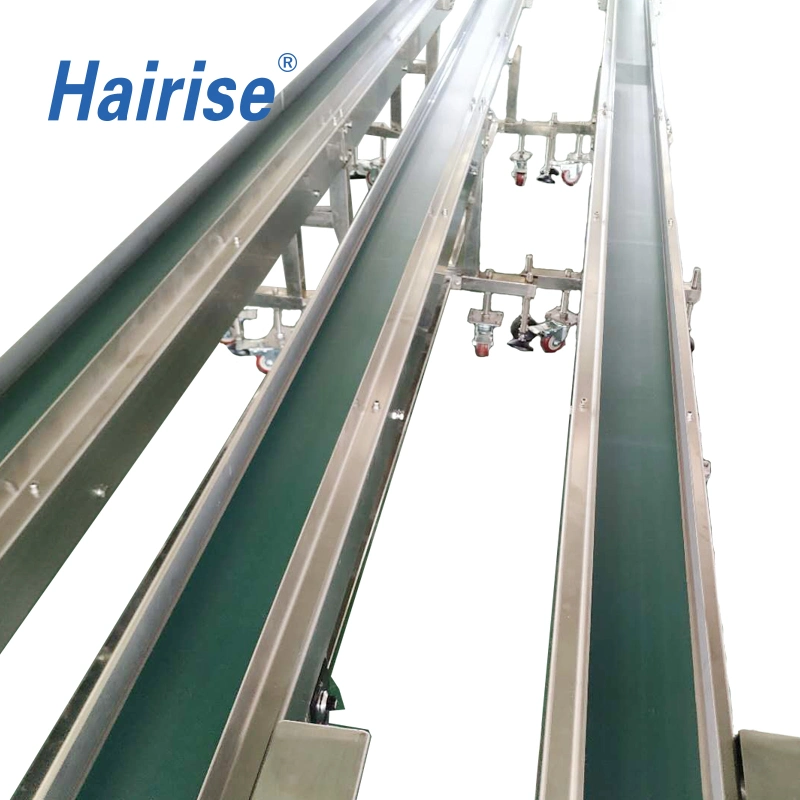
When you plan a conveyor, look at more than just type. These factors shape performance, cost, and safety.
First, know your load. What does each item weigh? How many go by each hour? Is the material fragile, gritty, or sticky? Heavy or rough items need strong frames and thick belts or chains. Delicate goods call for soft surfaces and smooth starts. Match your design to both weight and volume. That prevents breakdowns and keeps product safe.
Next, set your targets. How fast must the conveyor machine run to hit production goals? Higher speed moves more items but may increase wear. Faster belts use more energy and need tougher motors. Think about balance. If you only need a moderate pace, pick motors that sip power. If you need bursts of speed, plan for cooling and frequent checks.
Your building often limits what you can install. Square and long halls work for straight runs. Curves and lifts help when you need to snake around obstacles or move between floors. Vertical inclines free up floor space. Curved conveyors let you link separate zones without extra transfers. Sketch your plant layout and work with a CAD expert to squeeze in the most conveyor belt system for the space you have.
Not every conveyor lives in a clean, air-conditioned room. If your plant faces heat, cold, dust, or moisture, pick materials that hold up. Stainless steel belts resist rust in humid areas. Special coatings fend off abrasive dust or high temperatures. Fans or heaters can guard motors against extremes. Match your equipment to the worst your floor can dish out.
Safety belongs in every design. Plan guards to block pinch points where belts meet pulleys or where chains mesh. Add emergency-stop buttons at regular intervals. Sensors can detect jams or stray hands and halt motion instantly. Check local rules like OSHA in the U.S., ISO standards in Europe, or your country’s safety codes. Having clear walkways and warning signs around the conveyor system keeps workers out of harm’s way.
A conveyor that sits idle costs you more than a new part. Design for easy access. Drop-in rollers, slide-out belt sections, and hinged guards let technicians work fast. Use parts from trusted makers. It pays to spend more on a motor that lasts twice as long. Schedule lubrication, belt tension checks, and sensor tests in your daily, weekly, and monthly routines. A little upkeep now saves downtime later.
Energy adds up. Variable speed drives let you adjust power to match load. High-efficiency motors cost a bit more but use less electricity over time. Regenerative drives can feed energy back into your plant when a heavy load slows down. Lighting and sensors that go dark when no one is near cut even more from your power bill.
Today’s plants run on data. Your conveyor belt system may need to talk to robots, scanners, and warehouse software. Pick controllers that offer standard communication protocols. Let sensors send real-time logs to your management system. That helps you track flow rates, spot jams before they happen, and tie conveyor speed to customer orders coming in. A conveyor machine is not just metal and belts—it’s part of a connected workflow.
A clear process helps you avoid mistakes and meet deadlines.
Gather your team: engineers, line workers, and managers. List what you must move, how fast, and where. Note space limits and safety rules. Write down costs, deadlines, and growth plans. This shared brief guides every choice you make.
Sketch out initial ideas on paper or a whiteboard. Talk through options, from straight belts to multi-level loops. Run rough cost checks and risk spots. If an idea looks too pricey or too tight for your floor plan, scrap it now before spending on detailed drawings.
Move into CAD tools and digital models. Pin down belt widths, frame heights, motor specs, and sensor positions. Simulate your design to catch clashes. Check clearances for forklifts or hand-toter trucks. Finalize a parts list and lock in suppliers.
Build a small section or use virtual simulators to check speed, load, and control logic. Run test loads to see wear spots. Adjust belt tension, motor torque, and guard positions based on real data. Testing now keeps you from big reworks later.
Install your conveyor belt system in the plant. Work with electricians, welders, and IT staff. Run trial shifts and record feed rates, noise levels, and energy draw. Train operators on controls, safety stops, and routine checks. Hand over operations with clear manuals and a maintenance plan.
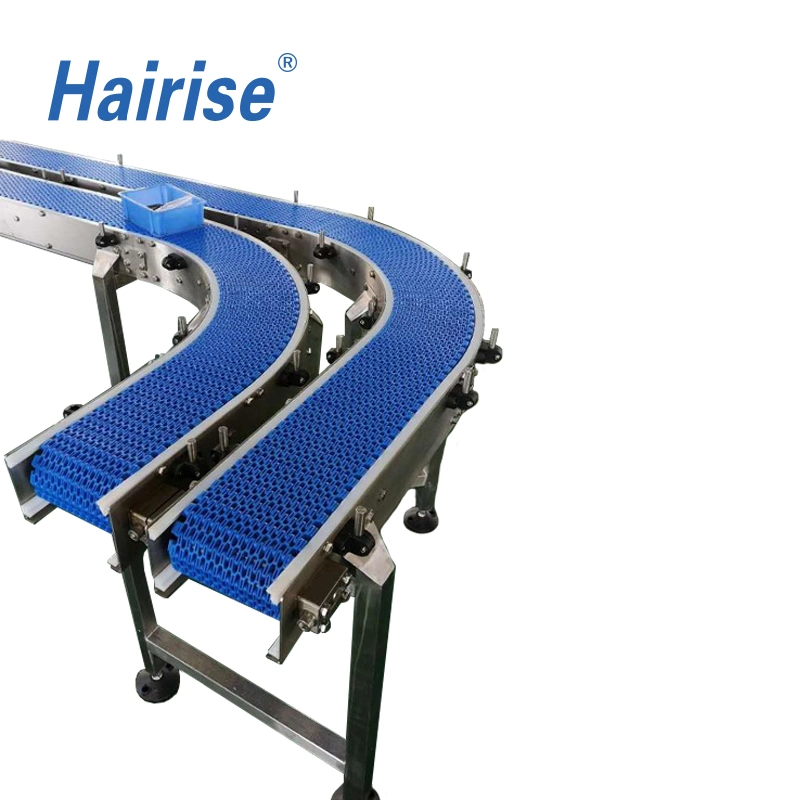
Keep these ideas in mind as you refine your design.
Pick frames and belts that resist your plant’s wear factors. Steel for strength, stainless for corrosion, plastic for light loads. Balance price against life span. Cheaper parts may need more swaps later.
Don’t skimp on motors, bearings, or belts. High-quality parts run quieter, last longer, and carry warranties. Work with known suppliers who stand behind their gear.
Aim for straight, short runs when you can. Curves and lifts add cost and friction. Use modular sections so you can add or move conveyor system later. Fewer bends and fewer parts mean less to maintain.
Designing a conveyor system takes more than picking a belt and pushing “start.” You need to match type to load, set speeds that hit targets without wasting power, work around your building, and keep every worker safe. A clear design process from needs gathering through testing helps you stay on budget and on schedule.
By planning for maintenance, energy use, and future growth, you ensure your conveyor keeps rolling day after day. With these points in mind, you’re ready to build a system that meets today’s needs and adapts to tomorrow’s challenges.
LEAVE A MESSAGE
As a automation Conveyors Manufacturer, Plus Modular Belts and Components, Hairise is your right reliable and winning choice.

As a plastic conveyor belt manufacturer & modular conveyor belt supplier, Hairise is your right reliable and winning choice.