Hairise Provides Modular Belt, Slat Conveyor Chain And Automatic Conveyor System Solutions Since 2004.
Language
Slat conveyor chains move material in many industrial applications. They handle everything from heavy auto parts to delicate pharmaceutical products. They move thousands of pounds with precision and speed in bottling plants and auto assembly lines. Choosing the right slat chain is key to success, such as sat top chain, flexible chain etc,. They come in materials like polymer composites, aluminum, or stainless steel. They adapt to specific environments and perform reliably on straight, curved, or inclined runs.
This article covers the essential factors to consider when choosing a slate conveyor chain, from material selection to load capacity requirements. You’ll learn about different chain types, maintenance needs and how to choose a supplier that meets your material handling needs.
A slat conveyor chain works through a motor-driven mechanism that cycles slats connected to a chain system. This design creates a rigid, flat surface that moves items traditional roller or belt conveyors can't handle well.
Slat conveyor chains serve businesses of all types:
● Food and beverage plants use them to handle bottles and crates
● Manufacturing facilities move heavy machinery parts
● Automotive assembly lines transport instrument panels and powertrains
● Warehouses manage pallets and bulk items
● Pharmaceutical companies need them for precise material handling
These chains prove their worth in tough environments where moisture, chemicals, or extreme temperatures are present. The engineering lets users customize speed width and add features like side railings.
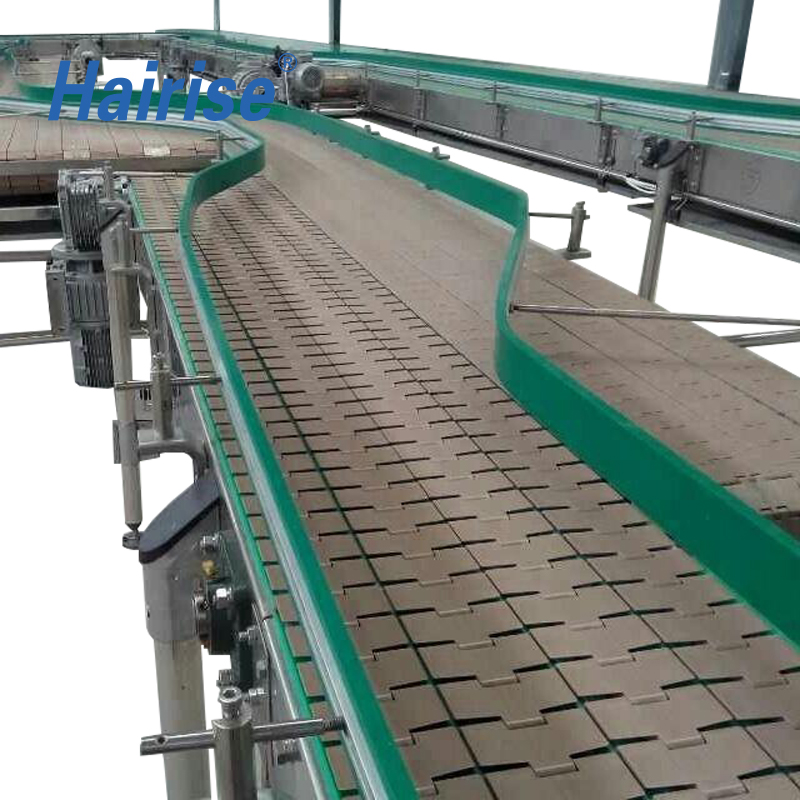
The right slat chain can make or break operational success. Material selection between engineered metal and high strength plastic determines how well the chain can handle hazardous conditions and heavy loads. The design must match specific operational needs like load capacity, speed variations and environmental factors.
The right chain will perform optimally in both continuous and indexed operations. Chain construction must match application requirements based on product weight, geometry and traverse distance. This careful selection process means less maintenance and longer system life.
A well chosen conveyor slat provides a stable working surface at consistent height which helps operator ergonomics. This stability and versatility with different load types makes these systems essential to modern industrial operations.
Long term performance and reliability of a slat conveyor chain depends on several technical factors. Let’s look at what makes it work best.
Slat conveyor chains are available in stainless steel, plastic and carbon steel. Stainless steel chains are for industries that require corrosion resistance like food processing and pharma.
Plastic slat chains are lightweight and cost effective for moderate loads and environments where noise reduction is required. Carbon steel chains are for heavy duty applications.
Knowing the weight and type of material conveyed is key to choosing the right slat chain. Some chains are designed to handle light loads, while others can support heavy industrial components.
A 20-foot conveyor running at 60FPS can handle loads from 50 to 5,450 pounds based on width specifications. The load should not exceed 1,400 pounds per linear foot. Choose a chain with the right load capacity for smooth operation and to prevent premature wear and tear.
The pitch and width of the slate conveyor chain determine its fit into a conveyor system. Pitch is the distance between chain links, and width is the surface area available for carrying material.
Slat widths range from 13 to 49 inches. Pitch size affects sprocket tooth strength and chain rigidity. Operators must evaluate the minimum pitch requirement for proper sprocket engagement. Maximum pitch limits ensure overall chain stability.
The working environment significantly impacts the longevity and performance of a conveyor chain. Temperature changes affect chain performance. Heat exposure weakens materials, while cold conditions can lead to brittleness
Humidity levels must be monitored as excess moisture causes component rust and deterioration. Choose a chain that matches the operational environment for durability and reduced maintenance costs.
Regular maintenance is key to extending chain life. A well structured maintenance schedule includes daily inspections to remove debris and check for wear, weekly lubrication of chains and sprockets, monthly cleaning of side guards and cooling components and quarterly full inspection of chain elongation.
Proper lubrication forms a protective film that minimizes metal to metal contact, reduces friction and wear. In cases where lubrication is a safety risk, thorough cleaning becomes the primary maintenance approach.
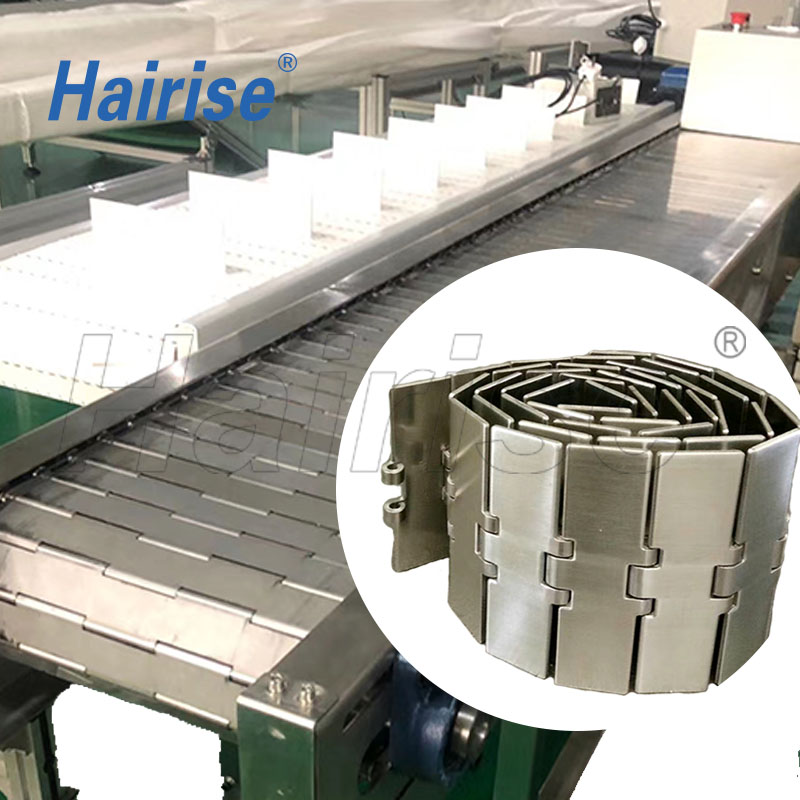
Manufacturing plants use different types of slate conveyor chains that meet operational needs in various settings. Each type brings specific benefits that match particular applications and environments.
These chains serve horizontal transport needs in bottling and packaging operations. The construction features reinforced high-strength plastics or stainless steel, which connect through pins or drive locks. The chains run at slower speeds, which makes them perfect for assembly lines where product orientation control matters most.
Side flexing chains come with specialized tabs, bevel, or magnetic designs that work well on curved paths. They shine in beverage and bottling industries where stable container handling around corners is vital. The chains come with several hold-down systems:
● Tab hold-down for simple curves
● Bevel systems for smoother transitions
● Magnetic systems for increased stability
Heavy-duty slat chains are the foundations of automotive manufacturing and industrial assembly lines. These powerful chains can support loads up to 1,400 pounds per linear foot and feature resilient construction with 7-gage frames. They handle irregular shapes and problem bottom surfaces well, which makes them perfect for appliance and furniture handling.
These chains adapt beyond their standard uses. Manufacturers can modify slats to add assembly fixtures or specialized attachments. Such modifications help the chains meet specific industrial needs while they streamline processes.
Choosing reliable conveyor slat suppliers needs more than just simple product specs. You need to know your operational requirements well to pick the right supplier partner.
The best way to pick a supplier starts with a full review of what you need. Here's what businesses should think about:
● Material quality standards and certifications
● Manufacturing process controls
● Response time for technical support
● Post-installation maintenance services
● Warranty coverage
● Green practices
Quality assurance is undoubtedly the key factor when picking a supplier. Reputable slat conveyor chain suppliers maintain rigorous quality control measures during production and assembly and check everything before and after production.
A great way to get support is to seek the supplier's expertise in technical help. Good suppliers run complete training sessions about proper operation and routine maintenance, which shows their steadfast dedication to customer success.
The costs go well beyond the original price tag. We looked at lifecycle costs instead of just the purchase price. This means checking maintenance needs, possible downtime, and how easy it is to get replacement parts.
Notwithstanding that, green practices have become much more important when picking suppliers. Modern slat chain manufacturers now use eco-friendly materials and energy-efficient designs that reduce operational carbon footprints. They team up with manufacturers known for high environmental standards to ensure quality and sustainability in their products.
The supplier's know-how in creating custom solutions matters, too. Good suppliers visit sites and talk in detail with clients to get the full picture. This shared approach ensures that the final solution perfectly aligns with business needs and gives the best long-term value.
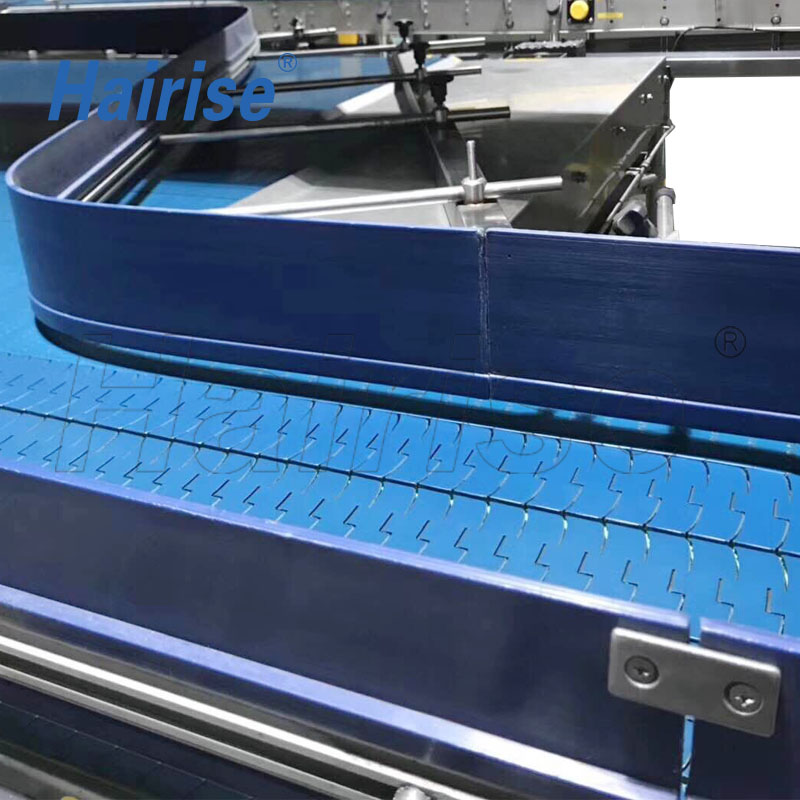
The right slat conveyor chain choice impacts how well operations run, what you spend on maintenance, and how reliable your system stays. Smart businesses match their specific needs by looking at material properties, load requirements, and environmental conditions. Different chain types offer unique benefits. Straight running chains work best for linear transport.
Side flexing chains handle curves smoothly. Heavy-duty versions tackle big industrial loads with ease. Businesses looking for expert guidance on slat chain solutions can find detailed options at Hairise Conveyor. Chain life extends substantially with proper care that protects your original investment. The system performs at its best when you inspect regularly, lubricate properly, and replace worn parts on time.
A smart supplier choice builds the foundations of lasting operational success. This comes from a full picture of quality standards, technical support, and customization options. Businesses focusing on these aspects run their material handling operations smoothly, face fewer disruptions, and get the most value from their conveyor chain investments.
LEAVE A MESSAGE
As a automation Conveyors Manufacturer, Plus Modular Belts and Components, Hairise is your right reliable and winning choice.

As a plastic conveyor belt manufacturer & modular conveyor belt supplier, Hairise is your right reliable and winning choice.

