Hairise Provides Modular Belt, Slat Conveyor Chain And Automatic Conveyor System Solutions Since 2004.
Language
Have you ever wondered what keeps busy factories moving without a hitch? In today’s fast world, manufacturers need every edge to stay ahead. Conveyor systems offer a simple way to move parts and products from one station to the next. They help teams meet tight deadlines, cut costs, and free workers from heavy lifting.
In this article, we’ll explore how conveyors drive efficiency in modern plants. You’ll learn how these systems automate work, keep production steady, shrink downtime, save floor space, protect employees, and grow with your business.
Conveyor belt system use modular belt, chain, powered belts or rollers to carry items through a factory. You see them in car plants, food lines, and packaging centers. Belt conveyors use a continuous loop of material. Roller conveyors use spinning tubes. Chain type conveyors transfer baked goods for cooling and packaging. Modular belt conveyors convey, sort, and transport cans for filling, sealing, packaging, and inspection.
At their core, conveyors need a drive motor, a moving surface, and guides or rails. A motor spins rollers or a belt. That motion carries goods forward. Sensors and controls steer speed and flow. You can link systems to scanners or robotic arms.
Manufacturers use conveyors to move raw materials, assembled parts, and finished packs. In automotive plants, conveyor belt systems shuttle doors and engines. In food processing, they speed up sorting and packing. In warehouses, they load and unload trucks. That wide use shows just how handy conveyors have become.
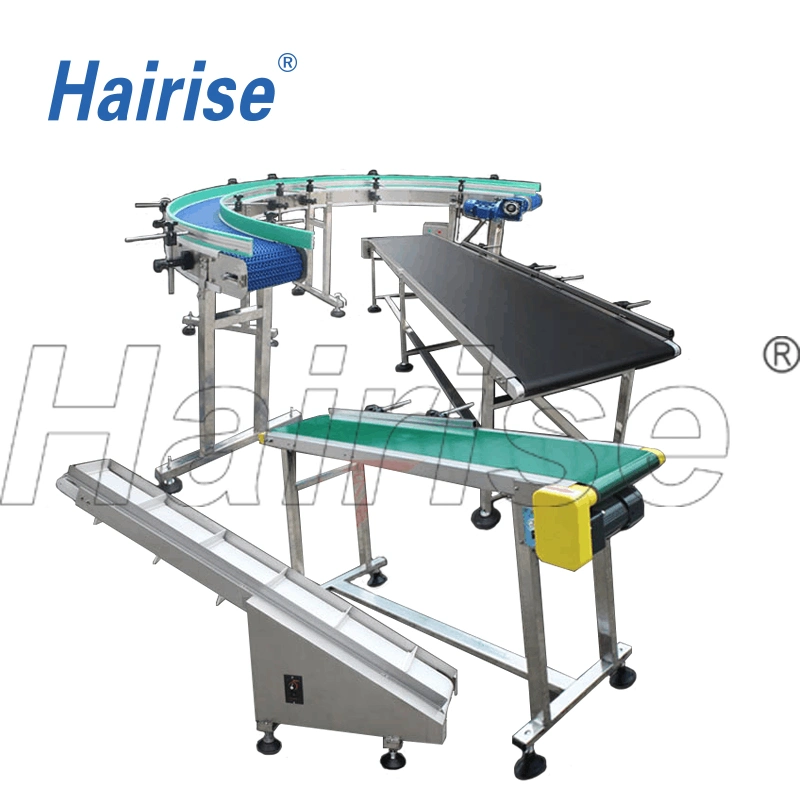
Conveyors cut down on manual labor by taking care of heavy lifting and long walks. When you load goods on a belt, the system moves them for you. That frees workers for tasks that need skill and judgment.
By automating moves, plants save on labor costs and boost output. You get faster cycle times and handle more items with the same team. Packages move at set speeds, so you know how many pass each hour.
Common tasks like sorting, grouping, and feeding parts to assembly stations happen with little human input. You might see barcode scanners trigger diverters that guide parts to the right lane. That hands-off work speeds up the line and cuts errors.
One of the best parts of a conveyor system is its steady pace. When you link work cells with a belt, you avoid the stops and starts that slow down lines. Parts arrive right when they need to, keeping stations busy.
That smooth flow means you hit daily quotas and meet ship dates. You no longer wonder if missing a hand truck will stall a cell. The belt keeps going. You plan shifts and breaks, knowing the line won’t pause unexpectedly.
Imagine a small electronics plant that once saw spikes of idle time. After adding a conveyor, they sent parts to testers on demand. Their output climbed by 20 percent, and customer orders shipped on time every day.
Bottlenecks often form where workers wait for parts or push carts between cells. Conveyor belt system eliminate many of these hold-ups by linking steps directly. You flow parts from stamping to welding to painting without extra handling.
Modern conveyors plug into robots, vision systems, and central computers. If a jam occurs, sensors halt the belt and alert an operator. That fast feedback keeps minor glitches from turning into full stops.
A food packager found that conveyor jams once cost them two hours each week. After fitting quick-release rollers and smart sensors, they cut that to just 10 minutes per month. That adds up to huge savings on labor and missed deadlines.
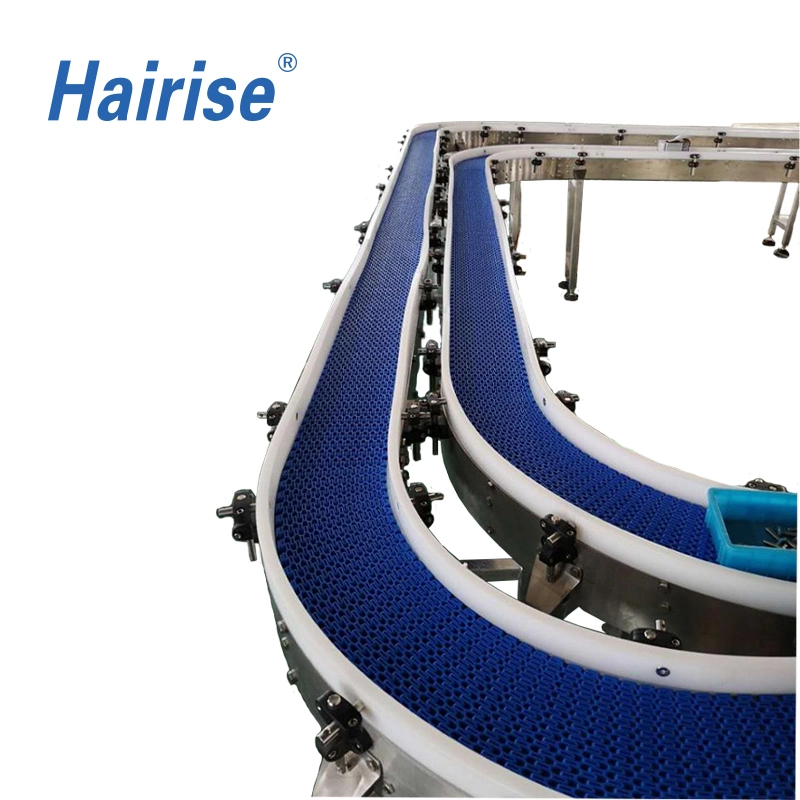
Factories often cramp too many machines into tight footprints. Conveyors can weave through those gaps to link cells without extra floor space. You can mount belts along walls or thread them under mezzanines.
In plants with multiple levels, you might use vertical conveyor systems. These lift trays straight up in compact towers. You stack floors without ramps or lifts eating your square footage.
One packaging plant in a nine-meter-high hall built a three-tier conveyor loop. They freed up 30 percent of ground space for extra workstations. That gave them room to add a fill line without moving walls.
Heavy lifting and constant bending lead to injuries and fatigue. Conveyors do the grunt work and cut the risk of strains or falls. When bags of raw material move on rollers, workers just guide them on and off.
Modern belts include guards, sensor mats, and emergency stops. If anyone or anything strays into a danger zone, the belt shuts off instantly. You see lights and alarms that warn teams before harm can happen.
A metal parts shop reported a 40 percent drop in workplace claims after installing covered conveyors and safety scanners. Their people felt safer and stayed more focused on quality tasks.
As orders rise and fall, you need tools that grow with you. Conveyor belt systems offer modular designs that snap together fast. You tack on extra sections or swap in curves to reach new cells.
When a small appliance maker launched a new line, they extended their belt by just three modules. That gave them room for an extra test station in under an hour. Later, they removed those sections when demand dipped.
Modular systems let you scale without building from scratch. You tweak zones for faster speeds or add sensors for new quality checks. That flexibility keeps you ready for the next shift in your business.
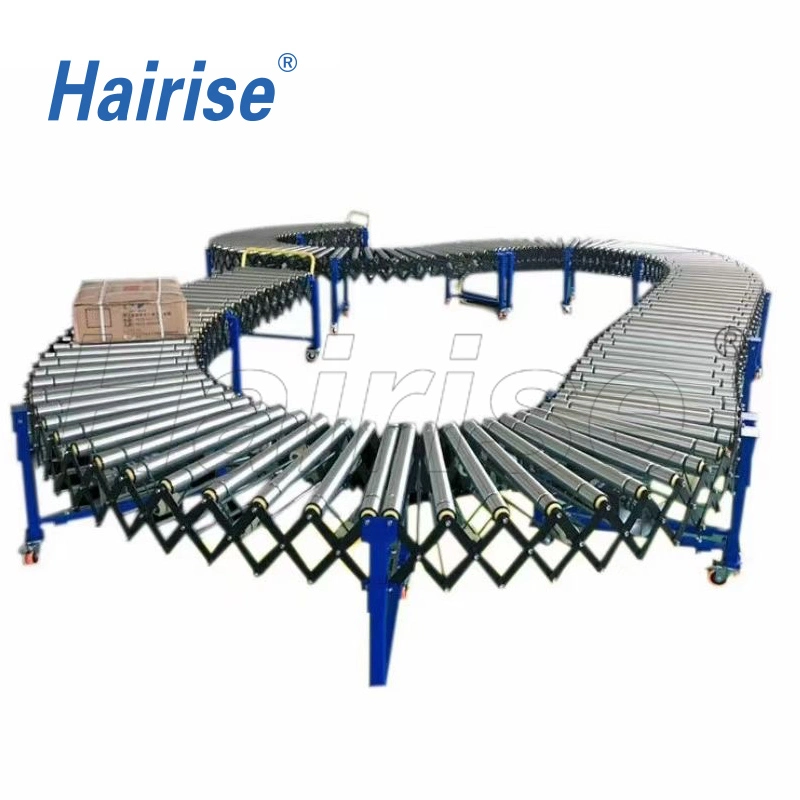
Conveyor belt systems give manufacturers a clear edge. They automate work, keep parts moving, cut downtime, free up floor space, protect workers, and flex to meet shifts in demand. That mix of gains adds up to faster cycles and happier teams.
Investing in a well-designed conveyor pays off quickly in higher output and lower costs. As factories move toward smart, connected workflows, conveyors will link machines, people, and data into one smooth production network.
When you plant that first belt in your shop, you set your factory on a path to better flow, safer days, and ready growth.
LEAVE A MESSAGE
As a automation Conveyors Manufacturer, Plus Modular Belts and Components, Hairise is your right reliable and winning choice.

As a plastic conveyor belt manufacturer & modular conveyor belt supplier, Hairise is your right reliable and winning choice.

