Hairise Provides Modular Belt, Slat Conveyor Chain And Automatic Conveyor System Solutions Since 2004.
Language
Hairise Provides Modular Belt, Slat Conveyor Chain And Automatic Conveyor System Solutions Since 2004.
Conveyor systems are vital to material transport in industries of all sizes. They help businesses cut labor costs while making operations safer and more productive. Your business can reshape its operations with a modular belt conveyor that streamlines assembly line methods and workflow processes.
Modular conveyor belts are built to adapt and provide an affordable first step toward automation. Companies can experiment with different setups without spending too much money. This feature makes them an excellent option for small and medium-sized businesses ready to grow their operations. These conveyor systems run continuously with minimal breaks and move more products through facilities quickly.
This article will show you how modular conveyor systems can address common business problems, from reducing workplace injuries to improving production efficiency. You’ll learn implementation steps, how to use them in your industry and how to get the most out of your conveyor.
Manufacturing businesses struggle with operational challenges that hurt their productivity and worker safety. Private sector data reveals workplace injuries caused 976,090 cases of musculoskeletal disorders. Workers missed workdays in 502,380 of these cases.
Heavy lifting and repetitive movements put workers at risk. The most common manual handling injuries happen to be sprains, strains, back injuries, and abdominal hernias. Workers get hurt while lifting, pushing, pulling, or carrying materials. On top of that, it gets worse when faulty equipment forces them to make sudden movements that cause severe strains.
Production bottlenecks create major operational hurdles. Equipment failures, supply chain disruptions, and limited resources typically cause these constraints. Old equipment often creates long-term bottlenecks because machines can't keep up with production needs. These problems lead to excess inventory, slower cycle times, and late deliveries.
Worker safety is critical especially in manufacturing environments. Accidents happen frequently due to poor ergonomics and weak safety measures. Manufacturing facilities face unique challenges. Slippery surfaces, trailing cords and obstacles can cause serious injuries during material handling. Companies need regular maintenance schedules and proper safety protocols to prevent equipment accidents and keep production flowing.
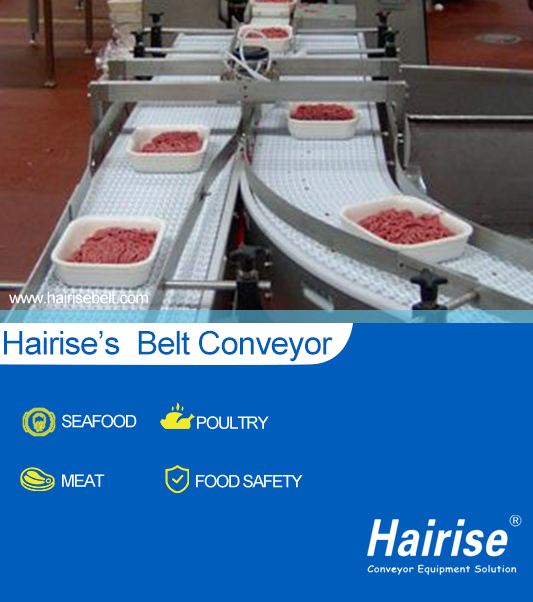
Modern modular belt conveyors solve operational problems with their innovative design and adaptability. These systems provide practical solutions to help your business improve its material handling capabilities.
Modular conveyor systems use standardized, interchangeable components that adapt to different operational needs. Businesses can mix and match various modules to optimize their workflow precisely. The adaptable design lets these conveyors handle products of different sizes and shapes to create efficient material flow patterns.
These systems shine with their versatile layout options:
● Straight sections for direct transport
● Curved segments for directional changes
● Incline and decline configurations for elevation changes
● Multiple lane options for parallel processing
The modular design makes system changes and maintenance simpler. Workers can swap or adjust individual components with minimal downtime to keep production running. Businesses can modify their conveyor systems as production needs change without having to change the whole system.
These systems integrate with existing equipment to improve overall workflow efficiency. The modular nature allows for easy system expansion as operations grow. Quick installation and relocation are possible with the plug-and-play design making these systems perfect for dynamic manufacturing environments.
Lightweight construction and standardized components make maintenance easier and reduce operational costs. The system lifespan is extended because businesses can replace specific modules instead of the whole system. This gives optimal performance at an affordable price throughout the system’s life cycle.
A modular conveyor system needs careful planning and systematic execution to work well. Businesses should build a strong foundation for their conveyor system integration.
The planning phase is crucial for successful implementation, and having a full picture of the site is essential. The core team should focus on evaluating the space and designing an efficient layout to ensure optimal use. They also need to integrate the new setup with existing systems for seamless operation. Following permits and regulations is important to avoid any issues. Planning resources like materials, workers, and budget helps keep things organized. Finally, setting a clear timeline will keep the project on track and ensure it finishes on time.
Site preparation and foundation work mark the start of installation. The conveyor system needs precise measurements to fit the designated area perfectly. Professional installers stick to manufacturer specifications when they assemble, line up, and secure components. This step-by-step approach reduces problems during operation.
Training programs last 2-8 hours and cover everything in operation. Employees get hands-on experience with conveyor components and safety protocols. Programs adapt to schedules and employee knowledge levels. Many manufacturers offer special formats like lunch-and-learn sessions for busy operations.
The system goes through tough testing under load conditions of all types before full deployment. Simple functionality checks come first, followed by complete performance evaluations. Teams fine-tune conveyor speeds, study material flow patterns, and adjust operational settings during optimization. Careful monitoring and adjustments help businesses achieve peak system performance while meeting safety standards.
Plastic modular belt conveyor help many industries improve their operations and boost productivity. Each sector uses these systems differently to meet its specific needs.
Food processing facilities mainly use modular plastic belts because they're easier to keep clean. These systems prevent bacteria from growing with their easy-to-clean surfaces. The belts can handle both raw ingredients and packaged products while offering quick maintenance and better efficiency. So, food-grade conveyors need to meet strict FDA and USDA regulations.
The automotive sector uses reliable modular belts at different production stages. These systems can handle heavy loads in press shops, body shops, and final assembly lines. The belts work without lubrication and can support multiple vehicles at once. Automotive applications benefit from impact-resistant designs and special materials that can withstand harsh manufacturing conditions.
Medical devices and pharmaceutical manufacturers need precise conveyor systems. These installations support:
● High-standard manufacturing processes
● Efficient assembly operations
● Medical device packaging
● Quality inspection procedures
Packaging operations work better with adaptable modular belt systems. The conveyors handle packages of different sizes and materials effectively. These systems support complex logistics distribution networks that enable automatic sorting and better operational efficiency. Their modular design lets you quickly connect multiple raceways to create complete distribution systems.
Smart businesses look ahead and invest in equipment that meets tomorrow's needs.Modular conveyor system excel because they know how to adapt and grow with your business requirements.
Modular conveyor systems let you expand operations by up to 30% without stopping production. These systems work with many layouts - straight runs, curves, inclines, and declines - all running on a single motor.
Your business gets these key operational advantages:
● Products can spread differently during transport
● Changes happen through motor power or manual adjustments based on product needs
● Layouts adapt to new production needs without replacing the system
Modular conveyors shine with their adaptable nature and let you implement changes in phases, which spreads costs over time. This approach works well for seasonal operations and facilities that need layout changes. The systems come with lightweight, plug-and-play design that makes moving and setting up easier.
These conveyors' architecture fits well with automation technologies and builds a strong base for future tech upgrades. Much like building blocks, businesses can add or remove segments as their needs change. This flexibility helps companies deal with changing demand patterns or when they think about facility layout changes.
Modular belt conveyors offer practical answers to material handling challenges in businesses. These systems help companies tackle workplace safety issues and streamline processes through flexible configurations that need simple maintenance.
Companies can get the most value from their conveyor system investment through clever implementation and proper team training. Expandable solutions prove valuable for growing businesses that plan to upgrade their automation gradually.
Modular belt systems are adaptable across many sectors, from food processing to automotive manufacturing. Business owners looking for detailed specifications and custom solutions can find complete resources at Hairise. These resources help them make smart choices about their material handling requirements.
The path to success with modular belt conveyors starts with careful planning and smart implementation. Companies that focus on proper system setup, team training, and consistent maintenance see the most important improvements in their operational efficiency and workplace safety levels.
LEAVE A MESSAGE
As a automation Conveyors Manufacturer, Plus Modular Belts and Components, Hairise is your right reliable and winning choice.

As a plastic conveyor belt manufacturer & modular conveyor belt supplier, Hairise is your right reliable and winning choice.