Hairise Provides Modular Belt, Slat Conveyor Chain And Automatic Conveyor System Solutions Since 2004.
Language
Hairise Provides Modular Belt, Slat Conveyor Chain And Automatic Conveyor System Solutions Since 2004.
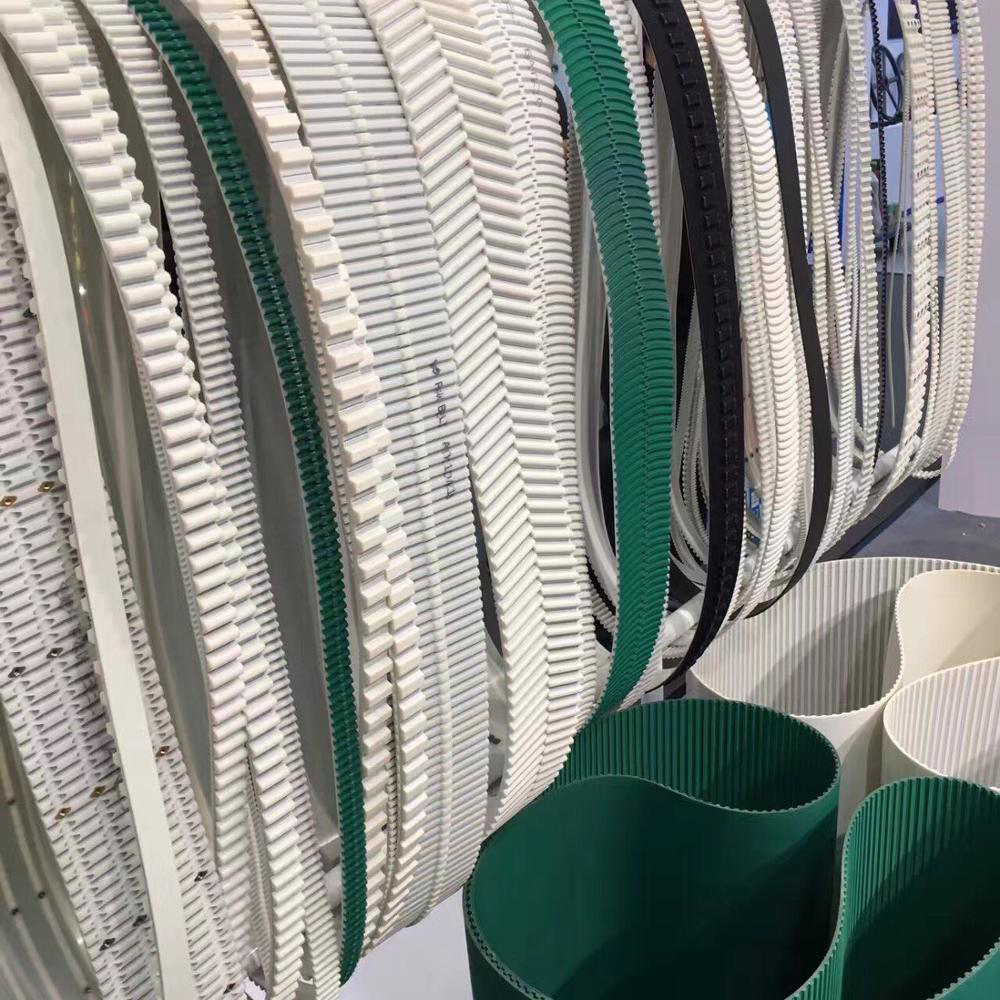
1.How They Work: The Basics of Power Transfer
Gears operate on the principle of direct mechanical contact. These toothed wheels interlock precisely, with the teeth of one gear fitting into the gaps of another. When the driving gear rotates, its teeth push against those of the driven gear, transferring motion instantly. This direct meshing creates a rigid connection, making gear systems highly efficient at maintaining speed ratios. You’ll find this mechanism in car transmissions, where multiple gear pairs adjust speed and torque for acceleration or climbing hills.
Chains, by contrast, use a flexible yet sturdy linkage system. Composed of interconnected metal links, they wrap around sprockets—wheel-like components with teeth that match the chain’s gaps. As the driving sprocket turns, it pulls the chain, which then rotates the driven sprocket. This design combines the flexibility of a belt with the positive engagement of gears. Bicycles, motorcycles, and industrial conveyors rely on chains to deliver consistent power.
Belts are the most flexible option, using friction or grooved designs to transfer power. Flat belts rely entirely on friction between the belt surface and pulleys, while V-belts and timing belts use shaped grooves to enhance grip. Unlike gears and chains, belts don’t require precise alignment, making them easy to install in tight spaces. They’re common in household appliances like washing machines, where their quiet operation and shock-absorbing properties are advantageous.
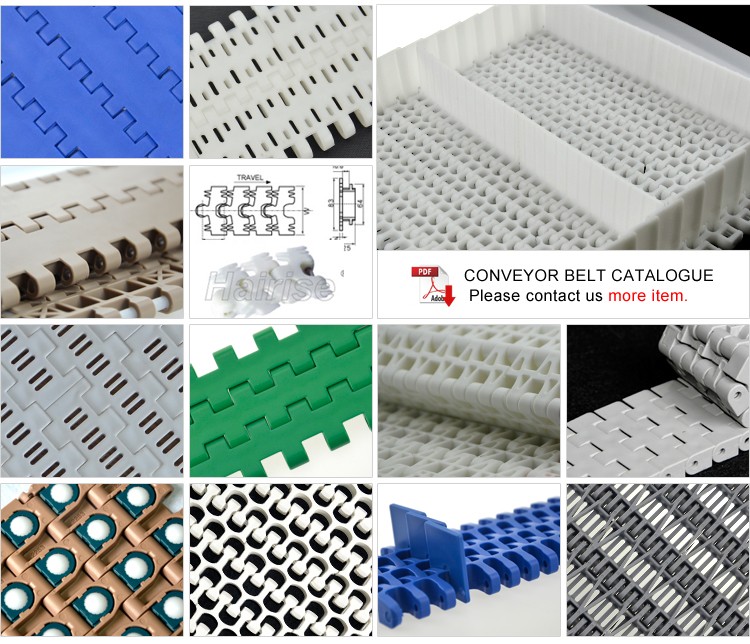
2.Performance Showdown: Strengths and Weaknesses
Gears excel in precision and power density. Their direct contact eliminates slippage, ensuring exact speed ratios—critical for applications like watches, where milliseconds matter. They handle high torque loads efficiently, with some industrial gear systems transmitting thousands of horsepower. However, this rigidity comes at a cost: gears produce noise due to metal-on-metal contact and require frequent lubrication to prevent wear. They also demand precise alignment; even a tiny misalignment can cause premature failure.
Chains strike a balance between flexibility and durability. Their metal construction allows them to handle heavy loads without stretching, making them ideal for rugged environments like construction equipment. Chains maintain better speed control than belts and are easier to repair in the field—broken links can be replaced without disassembling the entire system. On the downside, chains require regular lubrication to prevent rust and reduce friction, and they’re louder than belts. They also generate more vibration than gears, which can affect precision in sensitive machinery.
Belts prioritize quiet operation and low maintenance. Their rubber or synthetic materials dampen vibrations, making them perfect for indoor applications like office printers. They require no lubrication and resist corrosion, reducing upkeep costs. However, belts are prone to slippage under high loads, which limits their use in high-torque scenarios. They also stretch over time, requiring periodic tension adjustments. Extreme temperatures can degrade belt materials, shortening their lifespan in harsh environments.
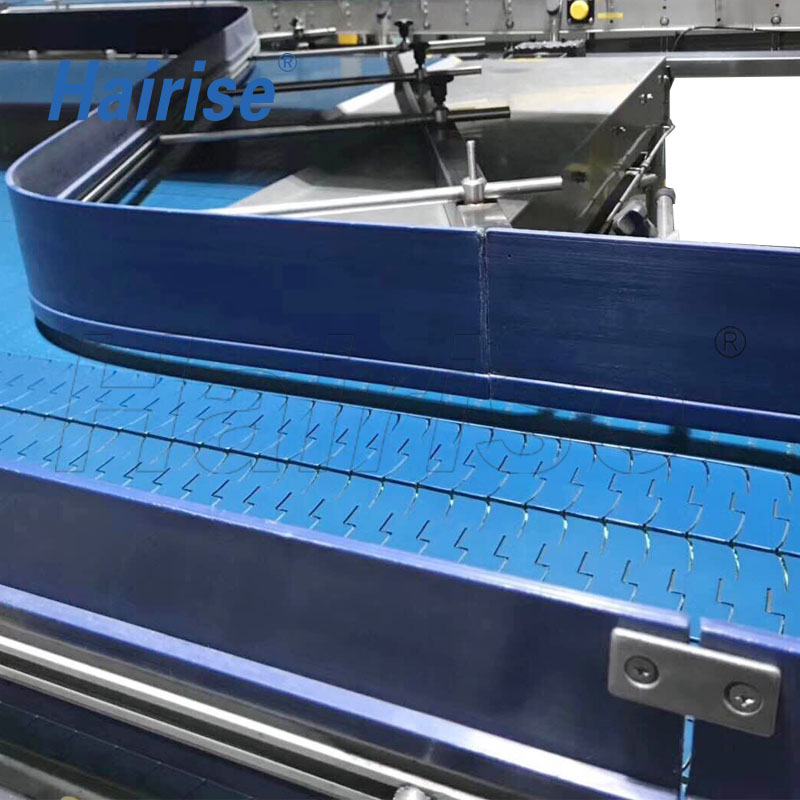
3.Choosing the Right Component: Application Scenarios
Gears dominate in high-precision, high-torque environments. Automotive transmissions use planetary gear sets to adjust speed seamlessly, while industrial robots rely on harmonic gears for precise movement. In power generation, gearboxes in wind turbines convert slow rotor speeds into the high speeds needed for electricity production. Any application requiring exact speed synchronization—from CNC machines to medical equipment—benefits from gear-driven systems.
Chains shine in medium to heavy-duty applications where flexibility is needed. Agricultural machinery like tractors uses chains to transfer power to implements, as they handle dirt and debris better than belts. Conveyor systems in warehouses depend on chains to move heavy pallets, thanks to their resistance to stretching. Bicycle chains, though small, demonstrate the design’s efficiency: they convert 95% of pedal power into forward motion, outperforming most belt-driven systems.
Belts are the top choice for low-noise, low-maintenance applications. HVAC systems use belts to connect motors to fans, where their quiet operation is essential in office buildings. Factory assembly lines often use timing belts to synchronize multiple conveyor belts, as their toothed design prevents slippage while maintaining flexibility. In automotive engines, serpentine belts drive accessories like alternators and water pumps, where their ability to absorb engine vibrations protects delicate components.
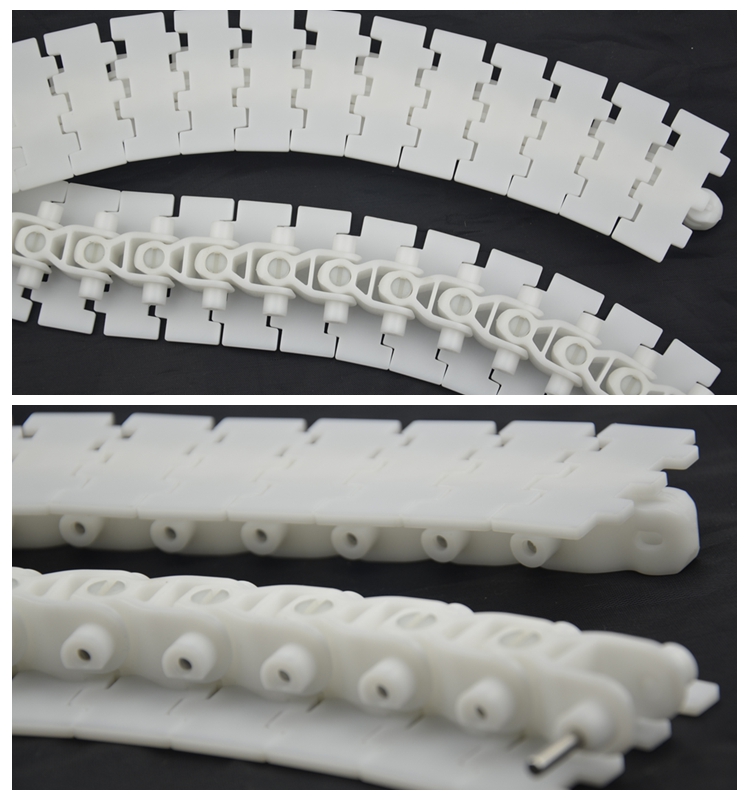
4.Maintenance Matters: Longevity and Upkeep
Gears demand meticulous maintenance to maximize lifespan. Regular oil changes are critical—gear oil breaks down over time, losing its ability to reduce friction. Technicians must inspect for tooth wear, as damaged teeth can cause catastrophic failure. Industrial gearboxes often include oil filters and temperature sensors to monitor condition, adding complexity to maintenance routines. Despite this, well-maintained gears can last decades in low-stress applications.
Chains require consistent lubrication and tension checks. Dry chains develop rust and wear quickly, so many industrial systems include automatic lubricators. Tension adjustment is equally important: a loose chain can skip teeth, while an overly tight chain strains sprockets and bearings. Chain drives in dirty environments need frequent cleaning to remove debris that accelerates wear. With proper care, chains typically last 5,000–15,000 hours in industrial use.
Belts are the low-maintenance champions. They require no lubrication, and their friction-based operation means less wear on pulleys. However, they need regular tension checks—slippage indicates a loose belt, which wastes energy and generates heat. Belt replacement is straightforward: simply loosen the tensioner, remove the old belt, and install a new one. Most belts last 3,000–10,000 hours, with timing belts requiring replacement at specific intervals to prevent engine damage.
5.The Evolution Continues: Innovations in Transmission
Modern materials are revolutionizing these classic designs. Carbon fiber-reinforced belts now handle higher temperatures and loads, blurring the line between belt and chain capabilities. Self-lubricating gears made from composite materials reduce maintenance needs in food processing, where oil contamination is a risk. Chains with corrosion-resistant coatings are extending lifespans in marine and chemical processing applications.
Smart monitoring systems are also transforming maintenance. Sensors embedded in gearboxes detect vibration patterns, predicting failures before they occur. Chain drives now include wear sensors that alert operators when replacement is needed. Even belts are getting smarter—some manufacturers integrate RFID tags to track usage and predict replacement timelines.
These innovations ensure that gears, chains, and belts will remain essential components for decades to come. Whether you’re riding a bicycle, driving a car, or operating industrial machinery, understanding these transmission “hearts” helps you appreciate the engineering that powers our world. The next time you hear a gear whir, a chain clink, or a belt hum, you’ll know exactly how that machine is bringing power to life.
LEAVE A MESSAGE
As a automation Conveyors Manufacturer, Plus Modular Belts and Components, Hairise is your right reliable and winning choice.

As a plastic conveyor belt manufacturer & modular conveyor belt supplier, Hairise is your right reliable and winning choice.